
Rich Red Hair Is Back—And It Is More Wearable Than Ever
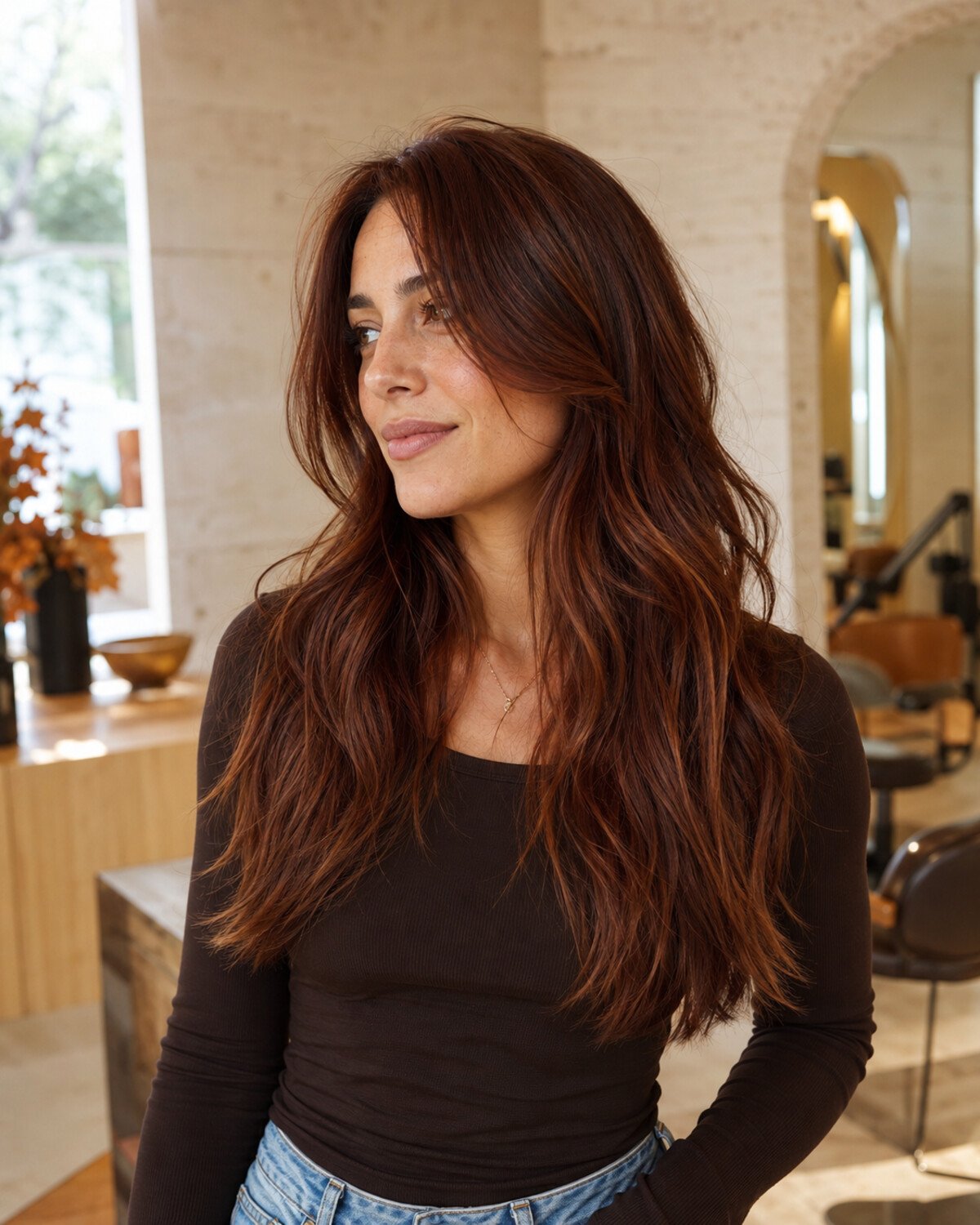
Rich red hair is returning for fall, but the most modern versions do not begin with a single bright copper formula. They begin with depth. Chestnut, mahogany and warm brunette create the foundation; muted copper and auburn appear through the lengths as the hair turns in the light.
This approach gives red hair a quieter kind of drama. The transformation is clearly visible, yet it can still feel natural beside the wearer’s brows, complexion and everyday wardrobe. It also avoids the flat, overly saturated finish that can make long hair look heavier than it really is.
For anyone considering extensions, the trend offers an important lesson: believable color comes from relationships between tones, not from choosing one impressive swatch.
Begin With the Brunette Base
A brunette foundation anchors the look. Keeping appropriate depth near the root makes the transition easier to wear and gives warmer ribbons something to contrast against. In indoor light, the overall impression may remain chestnut brown; outdoors, copper and auburn become more visible.
Your stylist should assess the root, mid-lengths and ends separately. Previously colored hair may carry extra warmth, while natural growth can appear cooler or deeper. A match based only on the ends may look convincing in the chair but disconnect near the crown.
Bring inspiration photographs that show the hair from the front and back, in both bright and soft light. Explain whether you want the red to read immediately or reveal itself mainly through movement.
Red Is Never Just One Color
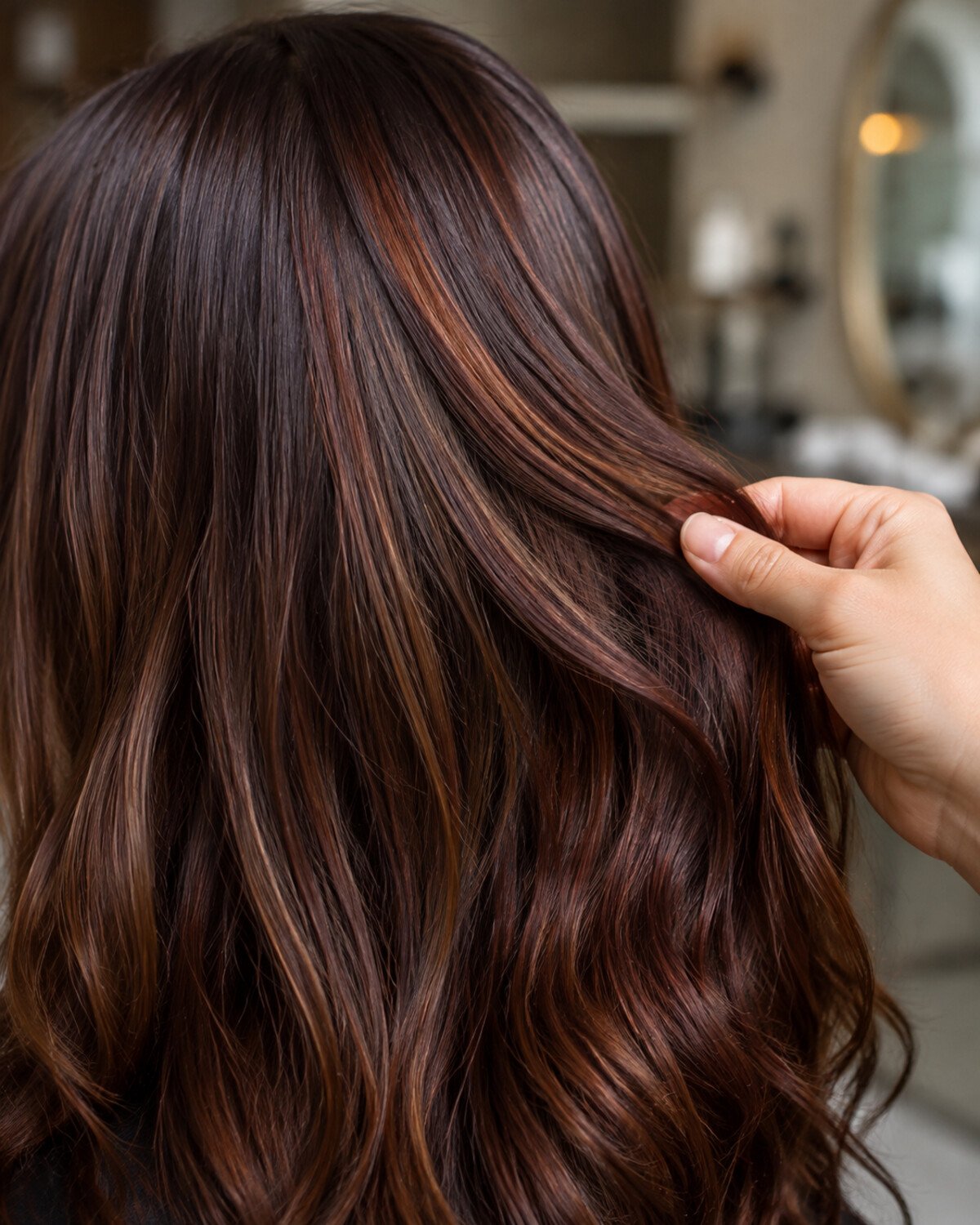
The most dimensional results usually contain three visual roles: a shadow tone for continuity, a supporting chestnut or auburn mid-tone, and finer copper accents that catch the light. These tones do not need to appear in equal amounts.
Fine warm ribbons around the face can brighten the complete look, while deeper pieces through the interior keep the lengths from becoming one solid orange-red block. Slight variation also helps layers remain visible when the hair is worn straight or in a relaxed blowout.
Compare every potential shade under neutral daylight as well as salon lighting. Warm bulbs can intensify copper, and cool light can make a muted red look browner. The right decision is the one that remains harmonious in both conditions.
Use Extensions as Part of the Color Plan
Extensions can contribute length and fullness, but they can also carry selected color dimension. A stylist may place related warm tones where the silhouette needs movement instead of asking every natural strand to support the same amount of red.
TRESEVA is positioned for professional extension work in which hair quality, color matching and installation aesthetics are planned together. The method, quantity and shade proportions should be selected through an individual consultation based on natural density, coverage and styling habits.
The aim is not maximum contrast. It is a gradual conversation between the client’s existing brunette and the warmer added lengths.
Check the Color Outside the Salon
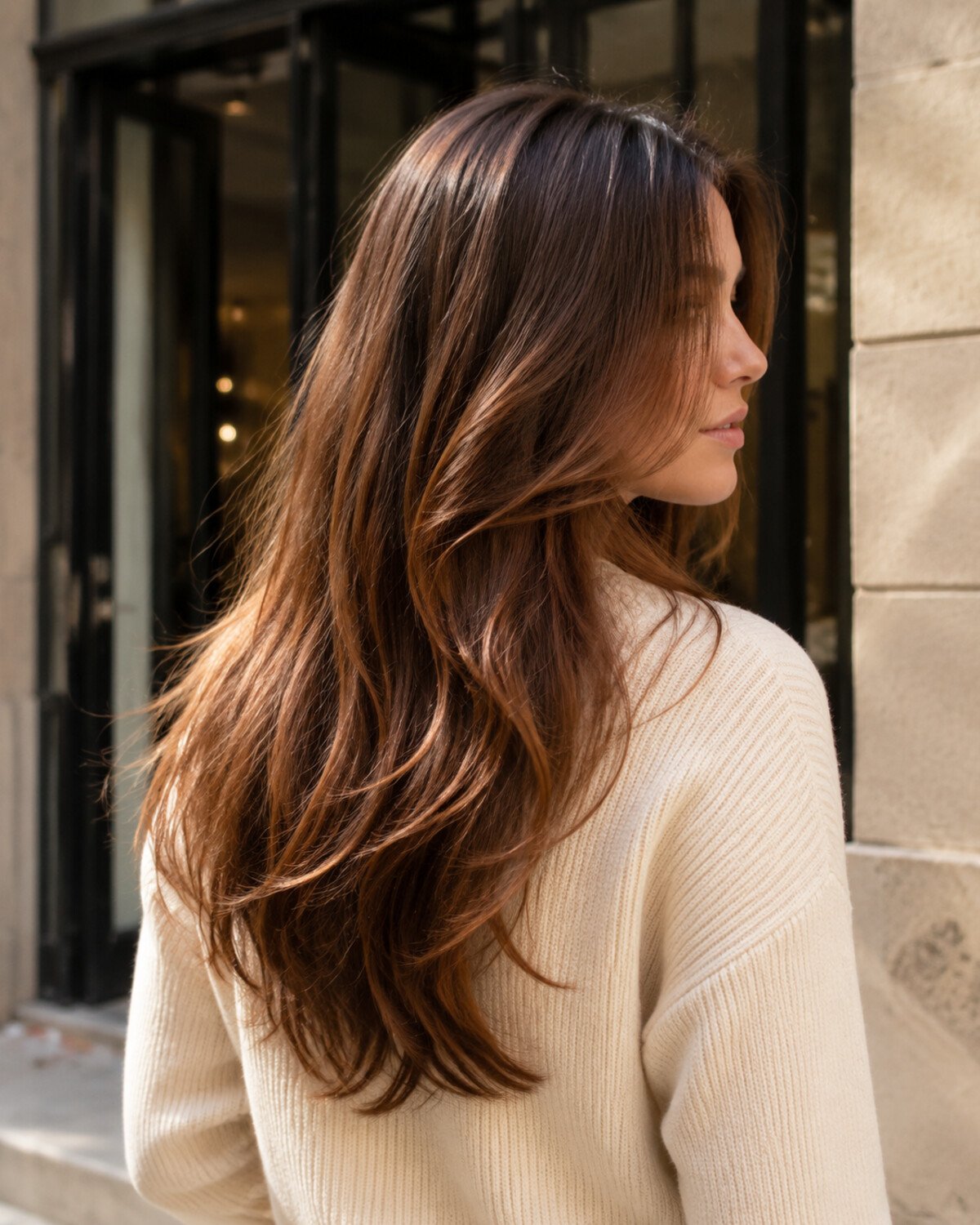
Before calling the transformation complete, view the hair in window light and allow it to move without arranging every section into identical curls. Look for an abrupt band where the natural hair ends, repeated bright stripes or an excessively dense perimeter.
A satin-matte finish keeps individual strands readable. Soft layers and lightly irregular ends allow the chestnut, auburn and copper tones to separate naturally instead of reflecting as one polished surface.
Rich red feels current because it can be expressive without becoming theatrical. With thoughtful tonal balance and seamless blending, the result looks discovered in the light rather than painted onto the hair.