
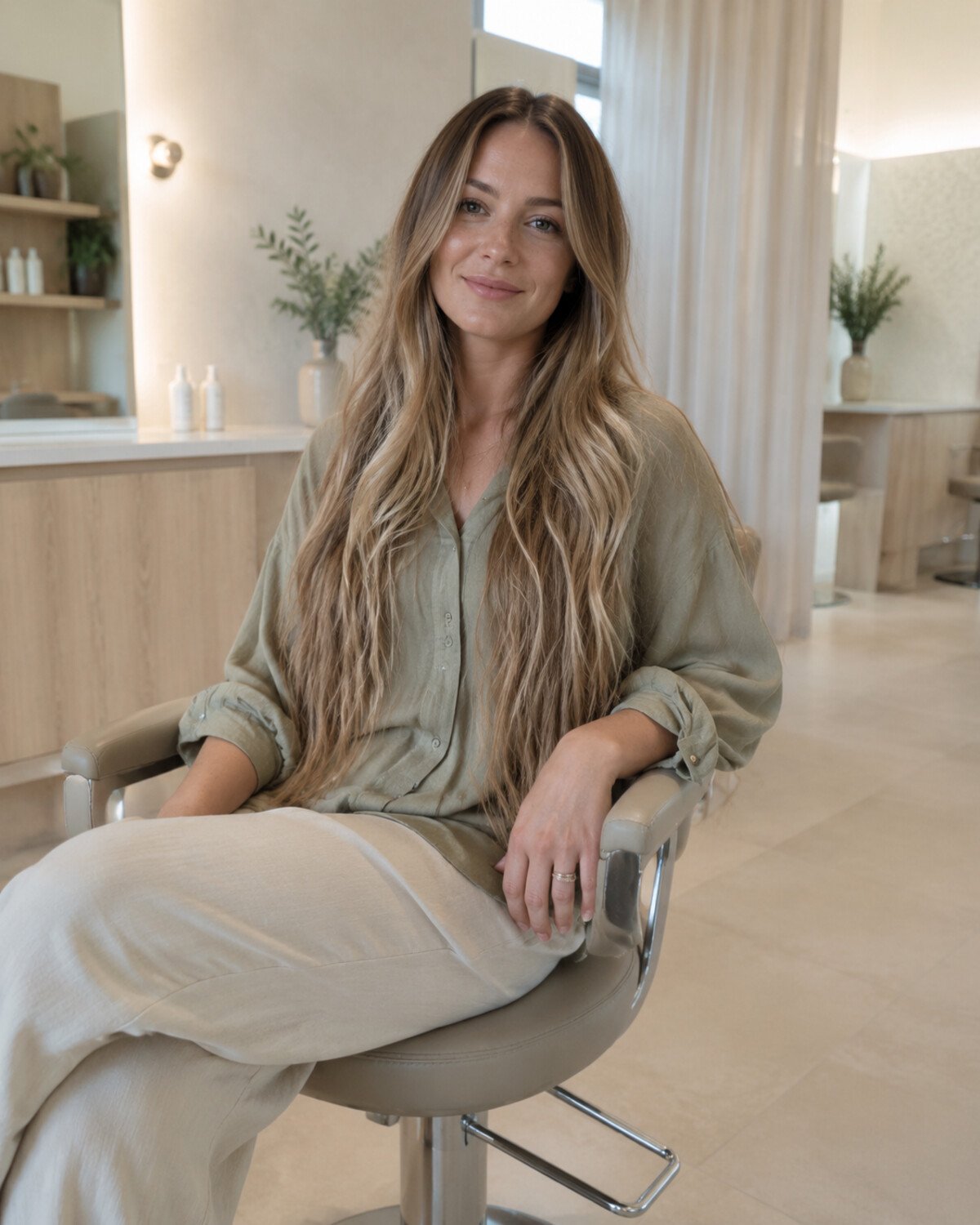
Long Hair Is Back—With a Lighter Point of View
After several seasons dominated by bobs and lobs, long hair is returning to Western fashion and beauty in a noticeably different form.
The 2026 version is not defined simply by reaching the waist. Its appeal comes from touchable movement, softly separated layers and a silhouette that remains airy from the crown through the ends. Polished barrel curls and extremely dense “mermaid hair” are giving way to bends that resemble a relaxed blowout—or hair that has been allowed to settle naturally after styling.
For anyone considering extensions, this shift offers a useful reference point: adding more hair is not always the same as creating a more modern result.
Begin With the Silhouette, Not a Length Number
Before choosing an extension length, consider how the complete shape should relate to the body and face.
Long hair with no internal movement can form a heavy curtain, especially when the natural hair ends around the shoulders. Soft face-framing and gradual long layers help connect the shorter natural sections with the added length.
The perimeter matters too. An unnaturally straight, dense line at the waist can make even excellent hair appear artificial. Slight variation through the ends creates movement and allows clothing to remain visible between individual strands.
Ask your stylist where your natural density begins to decrease. That transition point—not the longest piece of natural hair—is often where blending decisions should begin.
Natural Dimension Makes Length More Believable
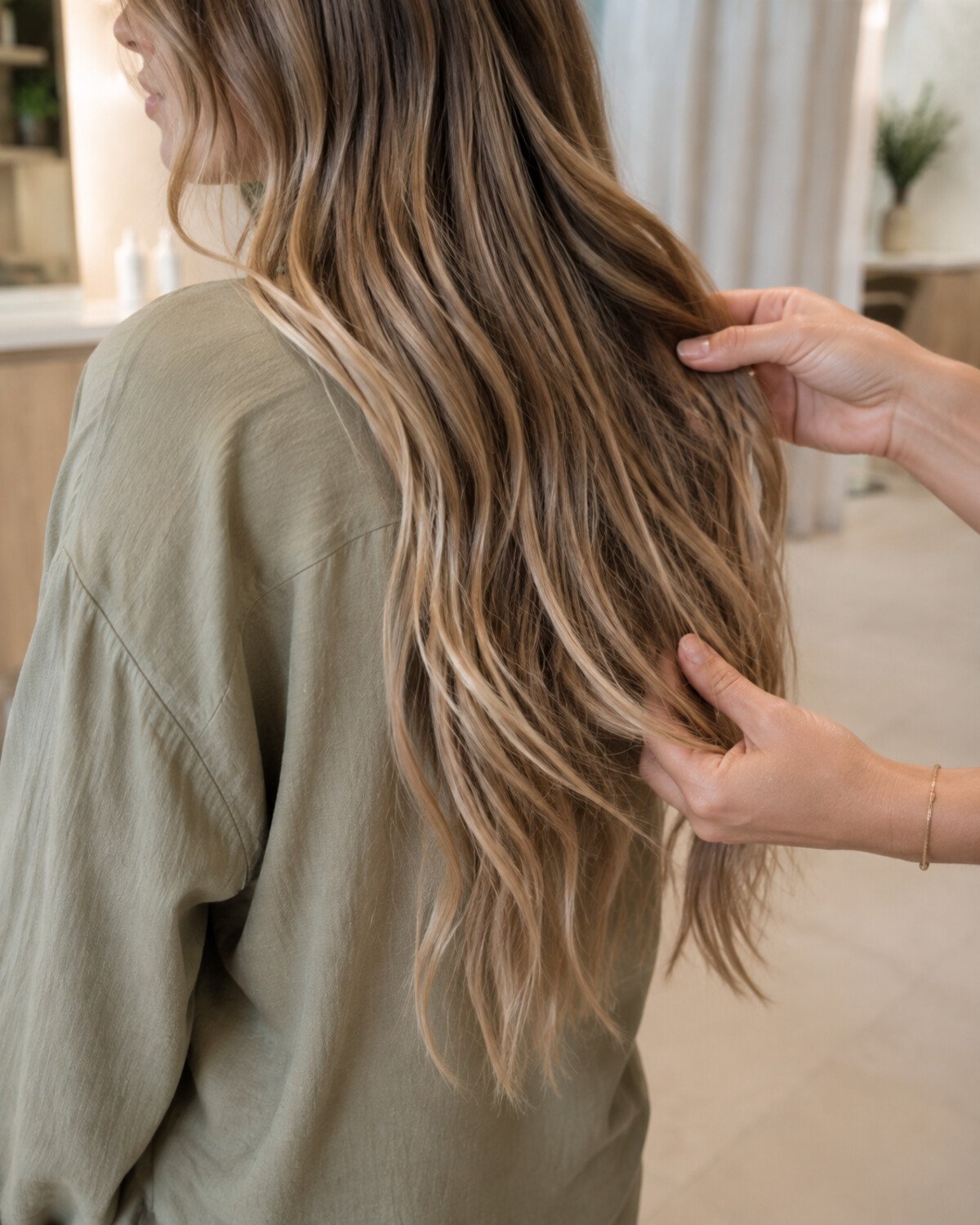
Very long hair occupies more visual space, so a flat color can appear heavier than it would in a shorter haircut. Realistic dimension helps separate the layers and reveal movement.
That does not require a dramatic highlight pattern. A neutral base, a supporting mid-tone and a few finer ribbons may be enough. The tones should connect through the mid-lengths rather than changing abruptly where the natural hair finishes.
Color matching should take place in more than one light source. Bright salon lighting can flatten subtle differences, while window light reveals whether the extension hair is cooler, warmer or more reflective than the client’s own hair.
Texture is equally important. If the natural hair has a slight bend, styling every added strand into a uniform curl can hide an imperfect blend during the appointment without solving it.
How Tape-Ins Can Support the Transformation
TRESEVA Tape-In extensions are made from 100% Virgin Remy Hair with cuticles aligned in the natural growth direction. The professional collection is designed to support length, volume and multidimensional color.
For the current long-hair aesthetic, a stylist can use the method according to the client’s density and coverage rather than aiming for maximum volume automatically. The objective is a balanced transition between the natural layers and the added perimeter.
Placement and quantity require an individual consultation. The client’s parting, natural texture, preferred styling routine and ability to maintain longer hair should all influence the plan.
The Movement Test Matters More Than the Curl
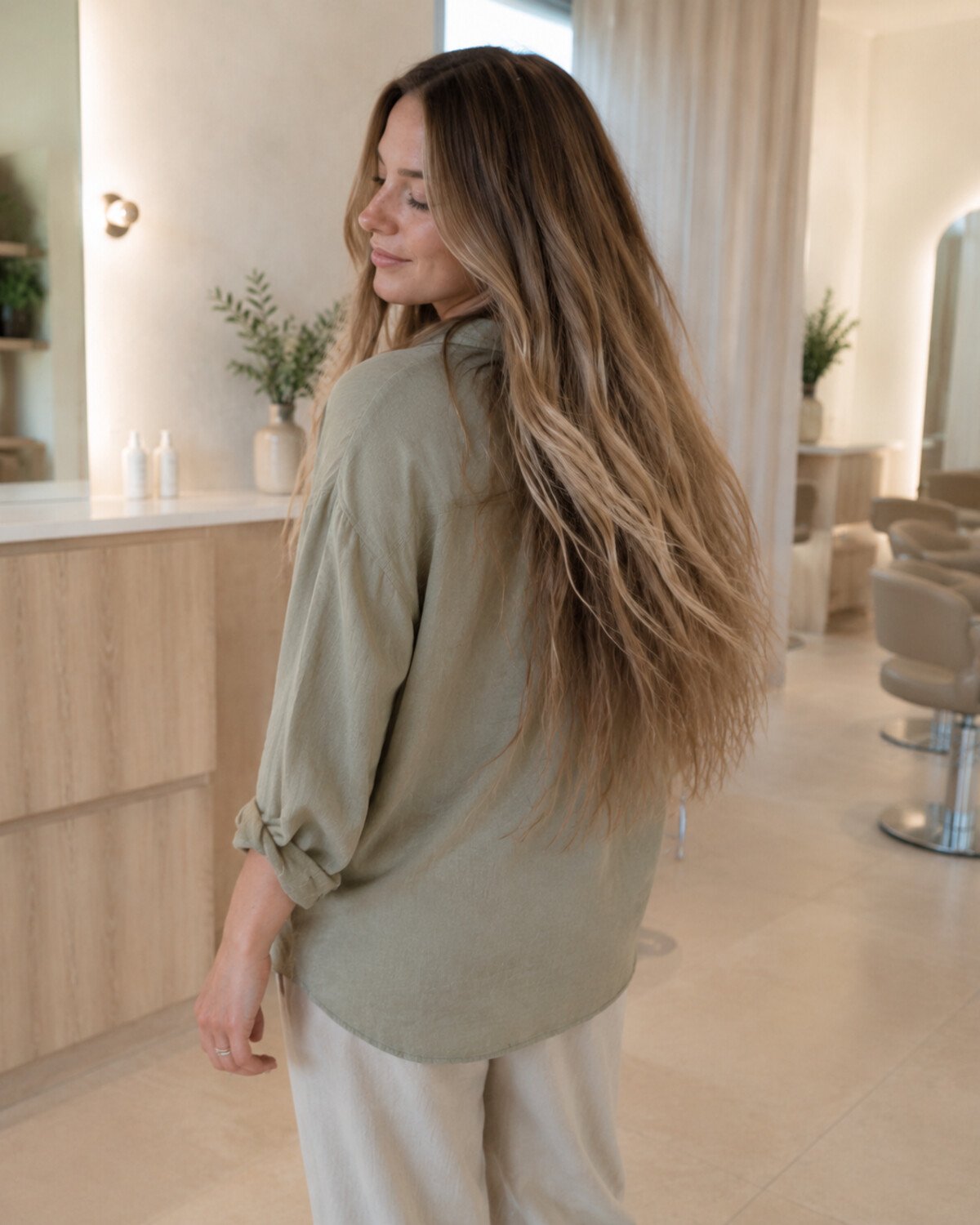
Before completing the service, examine the hair without arranging every section over the shoulders. Turn the head, bring the hair forward, return it to the back and gently separate the ends.
A strong blend should remain convincing through these transitions. The natural layers should not lift away as one shorter shelf, and the ends should retain shape without looking excessively thick.
At home, lightweight conditioning, regular detangling and restrained heat styling help preserve that movement. TRESEVA recommends sulfate-free care, minimizing excessive heat and applying heat protectant before hot tools.
Long hair feels current again because it looks luxurious without appearing untouchable. When length, density and dimension are planned together, the transformation can feel dramatic—and still completely believable.