
Why Late August Is an Important Extension Checkpoint
The transition from summer to fall creates a valuable maintenance moment for extension clients.
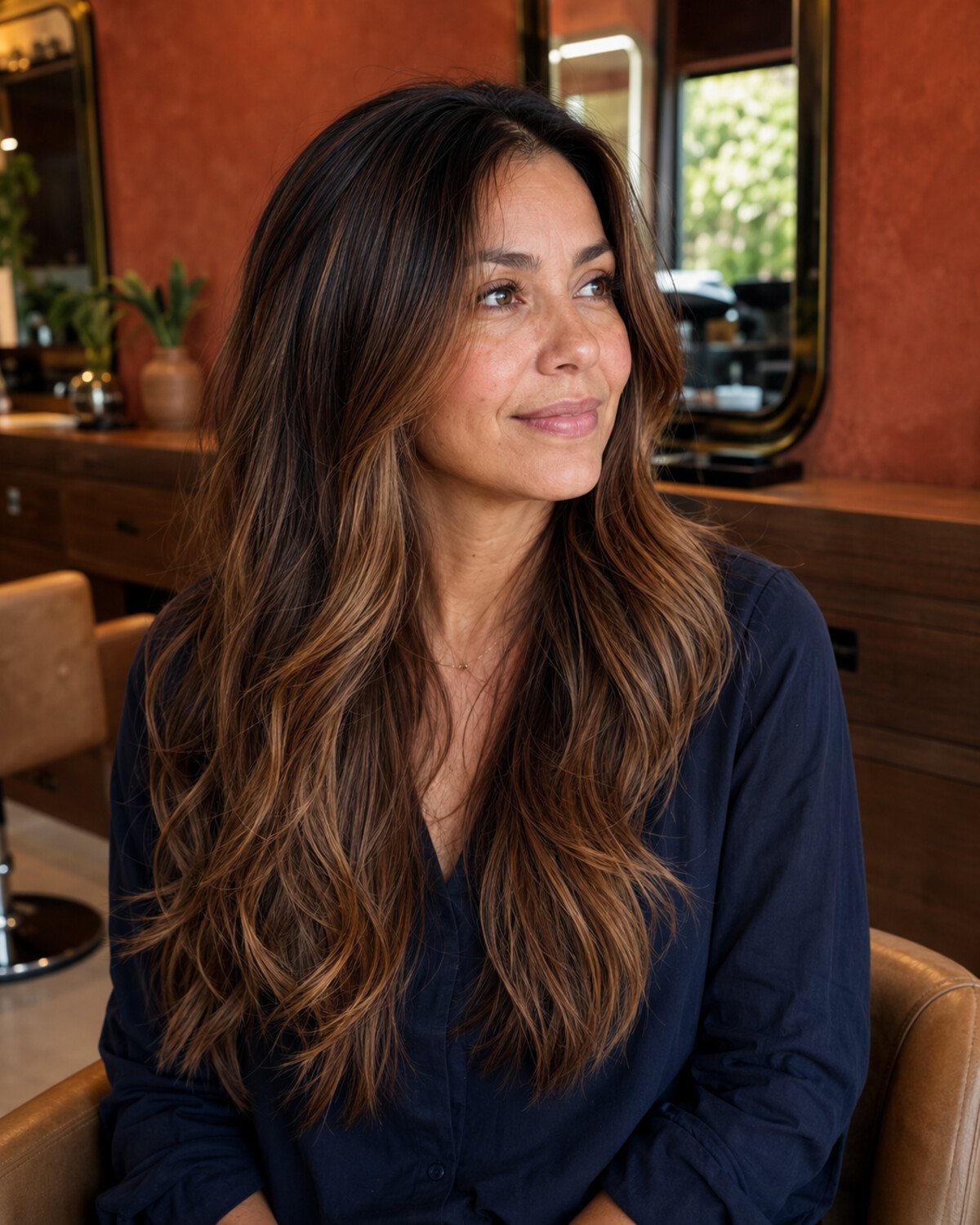
Sun exposure, saltwater, chlorine, humidity and repeated updos can leave both natural and extension hair feeling drier, rougher or more difficult to manage. Color may also appear warmer or less defined after weeks of travel and outdoor activity.
Extension hair does not receive natural nourishment from the scalp, so changes through the mid-lengths and ends deserve particular attention. However, a stylist should diagnose the condition before automatically recommending a complete replacement or covering every issue with oil.
The most useful post-summer appointment begins with observation.
Separate Condition, Color and Installation
Treat these as three different assessments.
First, check condition. Examine the hair for tangling, rough texture, fragile ends and uneven density. Compare sections that were regularly exposed to the sun with hair that remained underneath.
Second, assess color. Fading or increased warmth may make the natural and extension hair appear less connected, even when the original match was accurate. View the result in neutral daylight before deciding whether the issue requires color work, replacement hair or simply a different finish.
Finally, inspect the installation according to the method used and the client’s maintenance schedule. Check natural growth, coverage and how the hair responds when the client changes position. Any removal, move-up or reinstallation should follow method-specific professional procedures.
Do Not Confuse Product Buildup With Permanent Damage
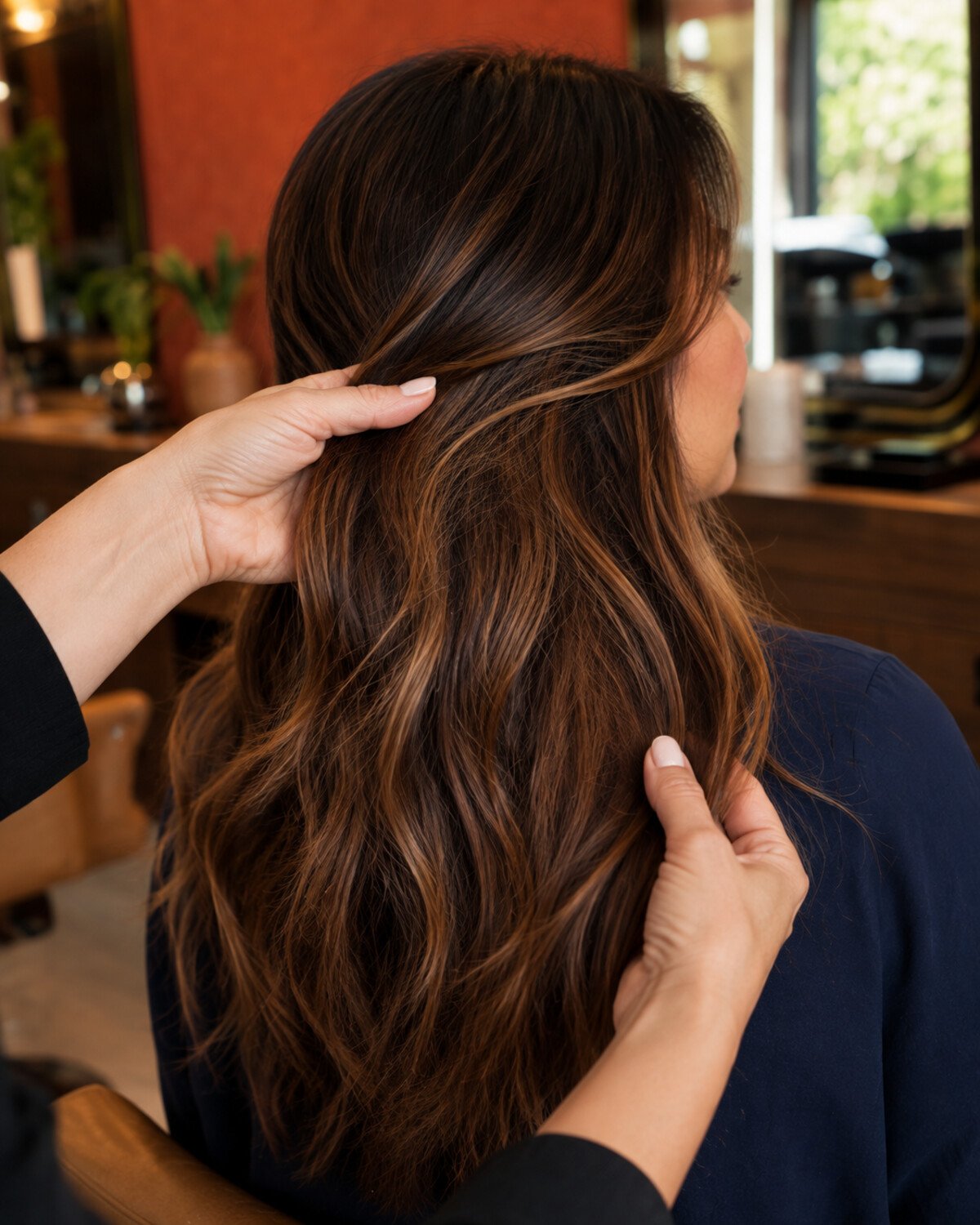
Hair that feels heavy or looks dull is not necessarily beyond recovery. Layered styling products, sunscreen transfer, dry shampoo and mineral residue can affect movement and color perception.
At the same time, cleansing more aggressively is not always the correct response. The client’s extension method, attachment area, hair condition and home routine should guide product selection.
TRESEVA’s official care guidance recommends sulfate-free shampoo and conditioner for human-hair extensions, along with deep-conditioning treatments for softness. Conditioning products should be used according to the installed method and kept away from areas where they could interfere with attachment security.
After cleansing, reassess the hair before cutting. Improved separation may reveal that only a light dusting is required. Conversely, visibly thin or split ends cannot be restored to their original density by adding shine products.
Turn the Appointment Into a Useful Care Review
Ask what actually happened during the summer:
- How often did the client swim?
- Was the hair rinsed after saltwater or chlorine exposure?
- Was it regularly tied up while wet?
- Which brush and detangling technique was used?
- How frequently were hot tools applied?
- Did tangling begin near the attachment area or at the ends?
These questions allow the stylist to distinguish environmental wear from a routine that needs adjustment.
TRESEVA advises wetting extension hair with fresh water before swimming, using leave-in care as a barrier and rinsing thoroughly afterward. Its general care guidance also recommends limiting excessive heat and using heat protectant when hot tools are required.
Finish With a Movement and Manageability Test
Once the service is complete, do more than photograph the hair from the back.
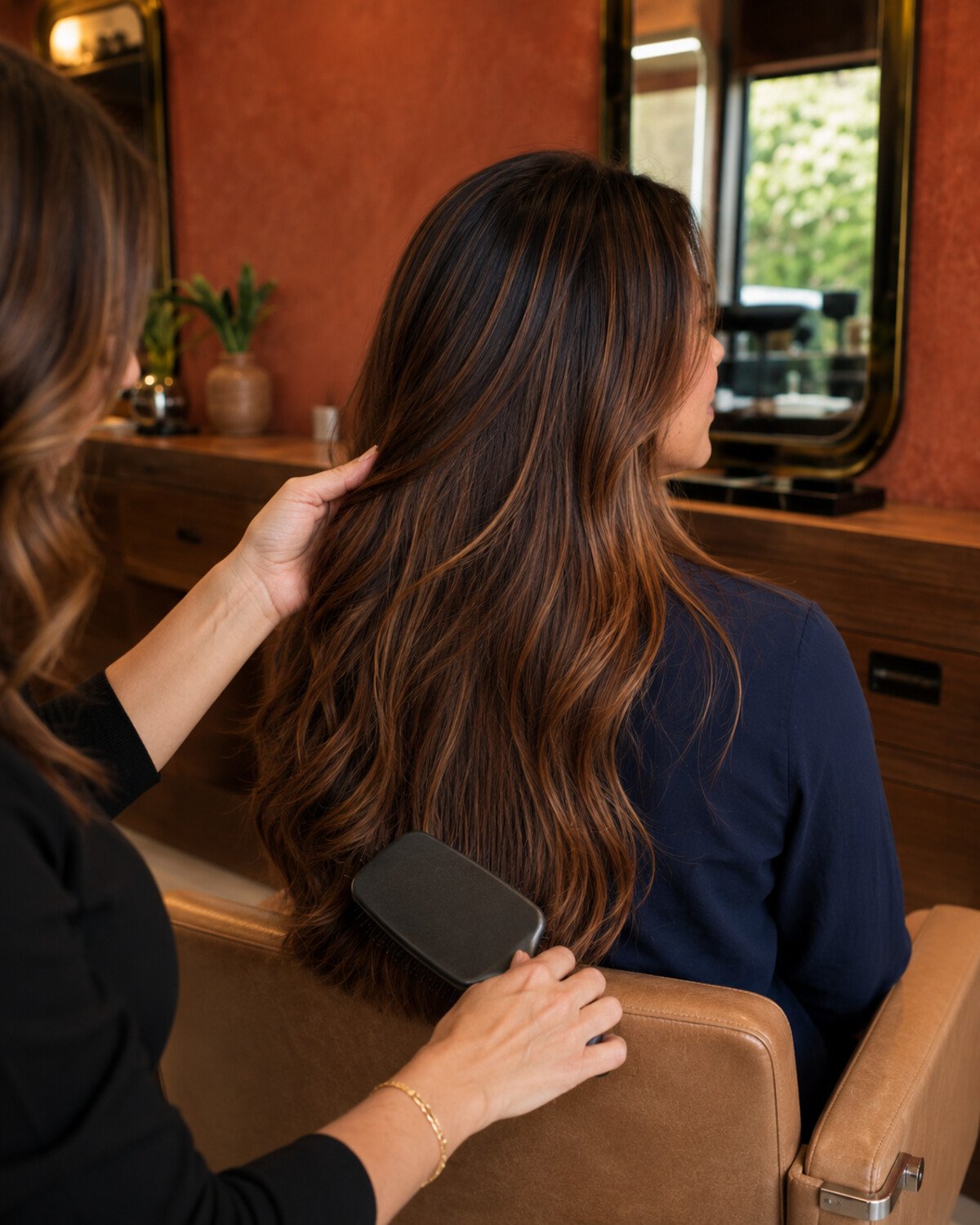
Brush through the lower lengths while supporting the hair above, then allow it to fall without arranging it into identical waves. Check whether the natural hair and extensions separate at different speeds or form an obvious shelf.
The finish should show individual strands, balanced density and a soft satin reflection. Excessive oil can temporarily compress flyaways, but it may also hide the texture information the stylist and client need to see.
Send the client home with a concise, method-appropriate plan rather than an overwhelming list of products. A practical routine might focus on gentle cleansing, careful detangling, moisture through the lengths and reduced unnecessary heat.
A thoughtful seasonal reset protects the quality of the existing work while giving the stylist clearer information for the client’s next service.